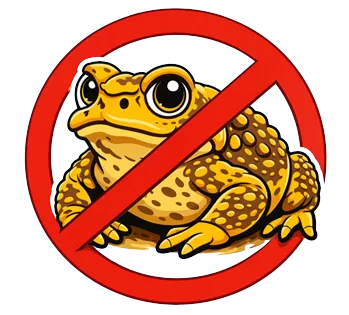
South-East Queensland is home to a diverse range of native frog species, many of which play an important role in local ecosystems. These frogs help control insect populations, support healthy waterways, and serve as a key indicator of environmental health.
Because native frogs are protected wildlife, it is essential that they are not harmed or disturbed. Understanding their importance helps ensure that community efforts to manage invasive species do not unintentionally impact native animals.
Why Native Frogs Matter
Native frogs contribute to ecological balance by:
- Controlling mosquitoes and other insects
- Supporting food chains for birds, reptiles, and mammals
- Indicating the health of wetlands, creeks, and bushland
A decline in native frog populations can signal broader environmental issues, including habitat loss, pollution, or changes in water quality.
Legal Protection and Responsibility
All native frogs in Queensland are protected under state legislation. This means they must not be harmed, captured, or interfered with.
If there is ever uncertainty about whether an animal is a cane toad or a native frog, no action should be taken. Leaving the animal undisturbed is always the most responsible option.
Challenges with Identification
Some native frogs may resemble cane toads in size, colour, or behaviour, particularly in low light or wet conditions. Juvenile frogs can also be difficult to distinguish.
These challenges highlight the importance of caution and reinforce why correct identification is critical to protecting native wildlife.